

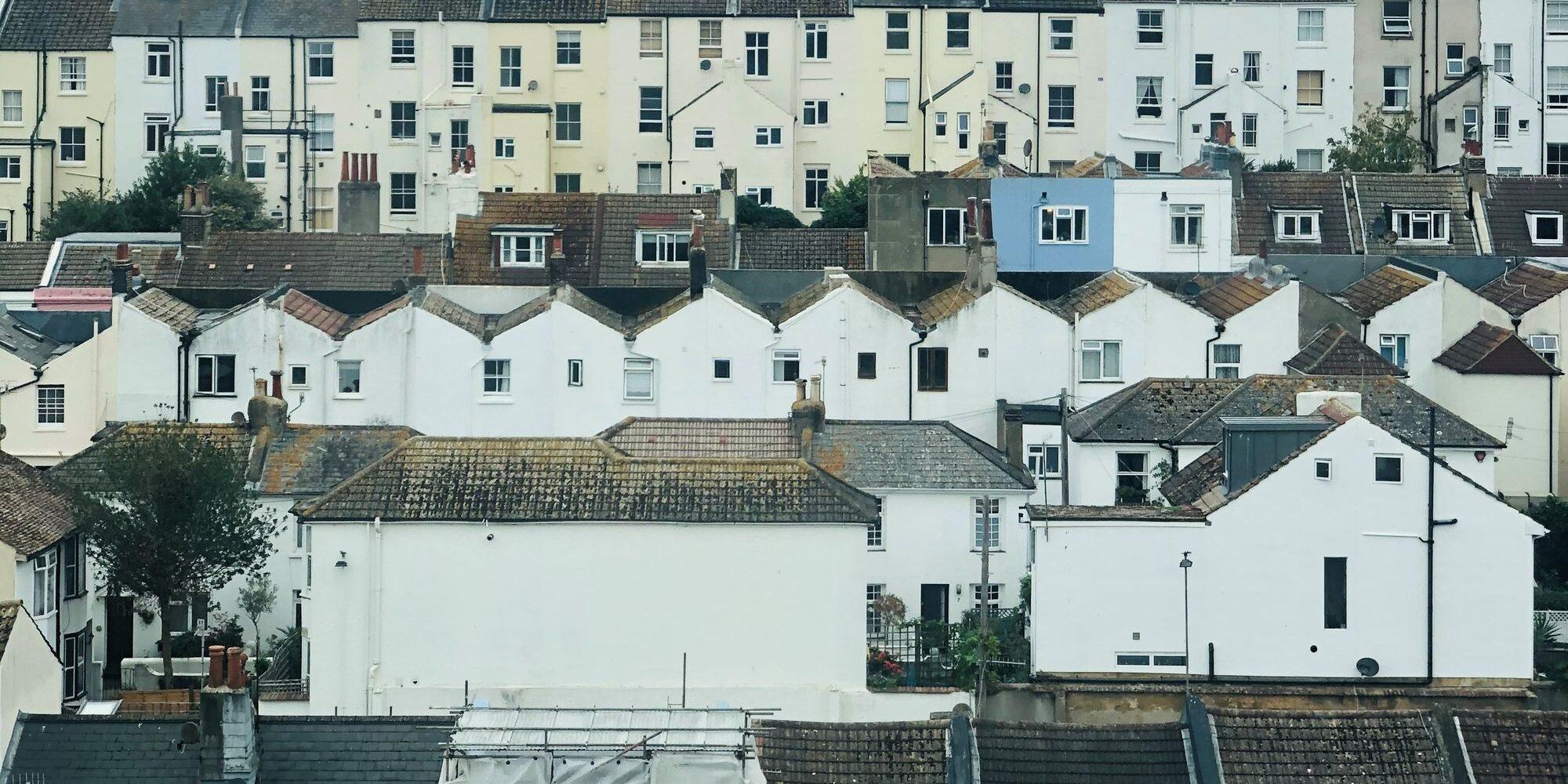
There is no single best part of Brighton to stay in. The right area depends on whether you are coming for a concert, a family weekend, restaurants, the beach or simply a change of scene.
Brighton is compact enough that many central areas are walkable. But a ten-minute difference on a map can mean a very different kind of stay, particularly when it comes to noise, parking and getting home late.
City centre and the Lanes: for a short first visit
If you want restaurants, shops and the seafront within easy reach, central Brighton is an obvious choice. The Lanes are particularly useful for visitors who like to wander between cafés, small shops and dinner without planning transport.
The trade-off is that city-centre streets can be busy, and parking may be difficult or expensive. Ask about access and noise if you are booking a property above shops or near evening venues.
North Laine: independent shops and good connections
North Laine, around streets such as Sydney Street and Kensington Gardens, suits travellers who enjoy independent retail, cafés and the everyday life of the city. It is also convenient for Brighton station.
The area is popular and can be lively at weekends. If a quiet bedroom is essential, look at the individual street and building, not just the neighbourhood name.
Kemptown: character and the eastern seafront
East of the centre, Kemptown has its own mix of places to eat, shops and residential streets. It can work well for visitors spending time near the eastern beach or heading to venues such as Concorde 2.
The neighbourhood covers more ground than a single street, so check the exact walking distance from your accommodation to the venues you will use.
Hove: a slower base for a longer visit
Hove is often a good choice when you prefer a quieter rhythm. The seafront continues westwards, and there are cafés, restaurants and shops without needing to be in the busiest parts of Brighton.
Depending on the location, you may need to allow longer to reach central Brighton venues. That is manageable on a relaxed break but worth considering if you will be returning late at night.
Hanover and the hills: for a residential feel
Hanover is known for its colourful terraces and steep streets. It is interesting to walk through, but hills and steps matter if you have luggage, a pushchair or mobility needs.
A home can look very close to the centre on a map yet involve a steep walk back. Read the access description carefully.
Travelling with a dog or a large group?
The property itself matters more than the postcode. For dogs, check the specific pet rules, outside space and suitable walks. South House has a dog-friendly guide explaining which of its homes allow dogs by request, and our guide to visiting Brighton with a dog covers which beaches dogs can use and when.
For groups, ask whether everyone stays in one building, how many bathrooms there are and whether the bedrooms suit the people coming. South House's group-stay page sets out those practical differences, and our group stay checklist covers the rest.
Four checks before you book
- Walking distance: Measure the route to the places you will actually visit, not just to the sea.
- Parking: Confirm where your car can stay and what it costs.
- Access: Check stairs, lifts and whether the property's layout suits everyone.
- Night-time noise: A central location is convenient, but it may not be the quietest one.
If you already have your dates, browse Brighton homes with South House. A suitable property in the right neighbourhood is usually more useful than a fashionable postcode. Once you are booked, our 48-hour itinerary suggests how to spend a weekend.